Taking Time for Self-Care
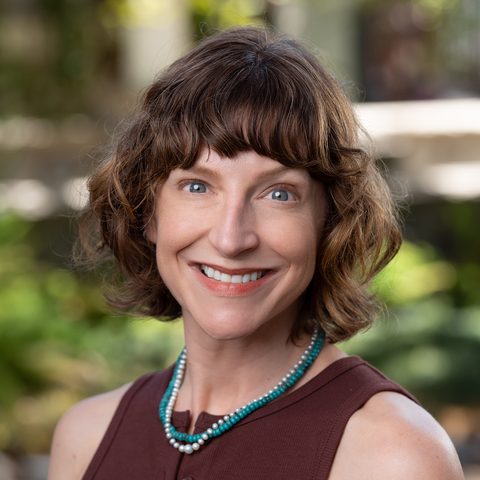
Take some time to recenter yourself with tips from our school psychologist, Dr. Marguery Lyvers
Let鈥檚 focus on you, parents and caregivers, before turning our attention to your children. Your self-care comes first. Recently, our school chaplain gave us some great advice about putting your oxygen mask on first. You know what? It鈥檚 valid. Repeat as necessary. And remember, self-care can be a (virtual) group or family-wide activity. So, sleep, eat, meditate, breathe on purpose, exercise, and have online play dates and hangouts, and whatever else you need to fuel yourselves.
Modify expectations and be flexible. This experience is unprecedented for all of us, and we鈥檙e just getting the hang of our new roles and routines. Various combinations of 鈥榯he juggle鈥� include working from home, looking for work, going to work out in the community, caring for vulnerable and older family members, supervising your children鈥檚 academic time, and maintaining peace and order in your homes and families, all simultaneously! It鈥檚 a tall order and simply impossible to handle each component competently, let alone masterfully. Be patient with yourselves. Be patient with your children.
Be patient with your families and communities. Grace is a powerful antidote to anxiety. Our children are sponges and take their cues from us. Not only do they pick up on our anxieties and overwhelm, but also the ambient noise of that around them. Similarly, they pick up on our resilience. Therefore, it is essential that you process your own feelings with trusted and loved ones.
Be smart about your health and wellness, including your media consumption. Sensational media coverage may be luring, but try to maintain an analytical mindset as you follow the news. Stick to trusted resources, such as the CDC, California Department of Public Health, LA County Department of Public Health, and the Pasadena Public Health Department. Other than these trusted sources, use social media generally as a means of connection and entertainment and verify information that you receive from all other sources. Similarly, monitor your children鈥檚 exposure via traditional and social media platforms. Everyone needs breaks from watching, reading, or listening to news coverage.
Talk to your children about COVID-19. Uncertainty begets worry (and catastrophizing, and make-believe, and other distorted thinking). Sheltering our children from reality is impossible. Determine what they know already. Correct inaccurate rumors. Don鈥檛 dwell on hypothetical worst-case scenarios. Help children sort out what is happening versus what they worry will happen. Address their questions and fears head-on in an age-appropriate manner. If a child perceives that their caregiver is skirting the issue, they most often assume the worst. Otherwise, why wouldn鈥檛 they answer directly? Children鈥檚 reactions, like our own, can be complex and confusing. That鈥檚 to be expected! Some may express that they love having so much family time together, while others may feel overwhelmed, suffocated, angry, disappointed, lonely, bored, and more. Emphasize what is in their control and empower them to practice self-care and care for their communities.
Finally, watch for behavior changes. If a family member, friend, or child is exhibiting changes in sleep patterns, appetite, interest in socializing, need for reassurance, 鈥渁cting out,鈥� irritability, unexplained physical symptoms, or other escalated or out of character behaviors, more help may be needed. If you or your loved ones are overwhelmed by feeling sad, depressed, or anxious, it鈥檚 time to reach out to a counselor, doctor, clergy member, or public mental health resource.
Be well, laugh, and wash those hands!
Dr. Marguery Lyvers is a licensed clinical psychologist and the school psychologist at 51动漫. Dr. Lyvers specializes in neuropsychological assessment at her private practice, Lyvers & Associates. Additionally, she is a partner and executive director at Integrated Learning Solutions, overseeing a multidisciplinary team of professionals serving students with diverse learning needs via individually tailored interventions, while simultaneously supporting their families and educators. Dr. Lyvers earned her bachelor鈥檚 from California State University, Los Angeles鈥� Early Entrance Program, followed by her master鈥檚 and doctorate from the California School of Professional Psychology at Alliant International University. Dr. Lyvers鈥� training and experience spans educational, forensic, private, community clinic, and inpatient settings. A Pasadena native, Dr. Lyvers is invested in fostering the development of our young community members by removing barriers to educational and personal success.